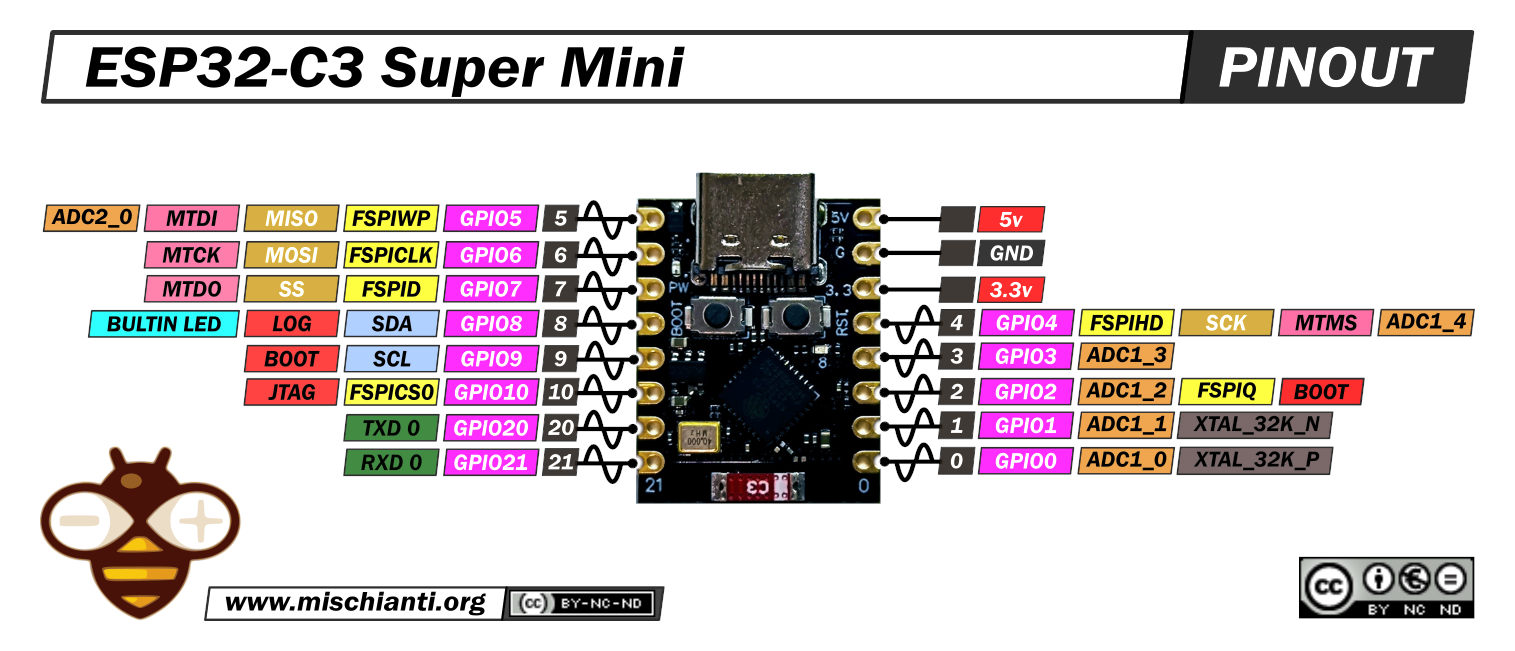
ESP32-C3 Super Mini: high-resolution pinout, datasheet, and specs
ESP32-C3 Super Mini: high-resolution, datasheet, pinout, and specs
Electronic, 3D printing and embedded programming
The ESP32 is a low-cost, low-power system on a chip (SoC) microcontroller with integrated Wi-Fi and dual-mode Bluetooth. Developed by Espressif Systems, it is a successor to the ESP8266. The ESP32 is notable for its compact size, versatility, and extensive feature set which includes a powerful 32-bit microprocessor, a rich set of peripherals, and support for a wide range of communication protocols. It is particularly popular in IoT (Internet of Things) projects due to its wireless capabilities, energy efficiency, and the ability to handle multiple tasks simultaneously. The ESP32 is widely used in home automation, smart devices, industrial control, and other embedded applications.
ESP32-C3 Super Mini: high-resolution, datasheet, pinout, and specs
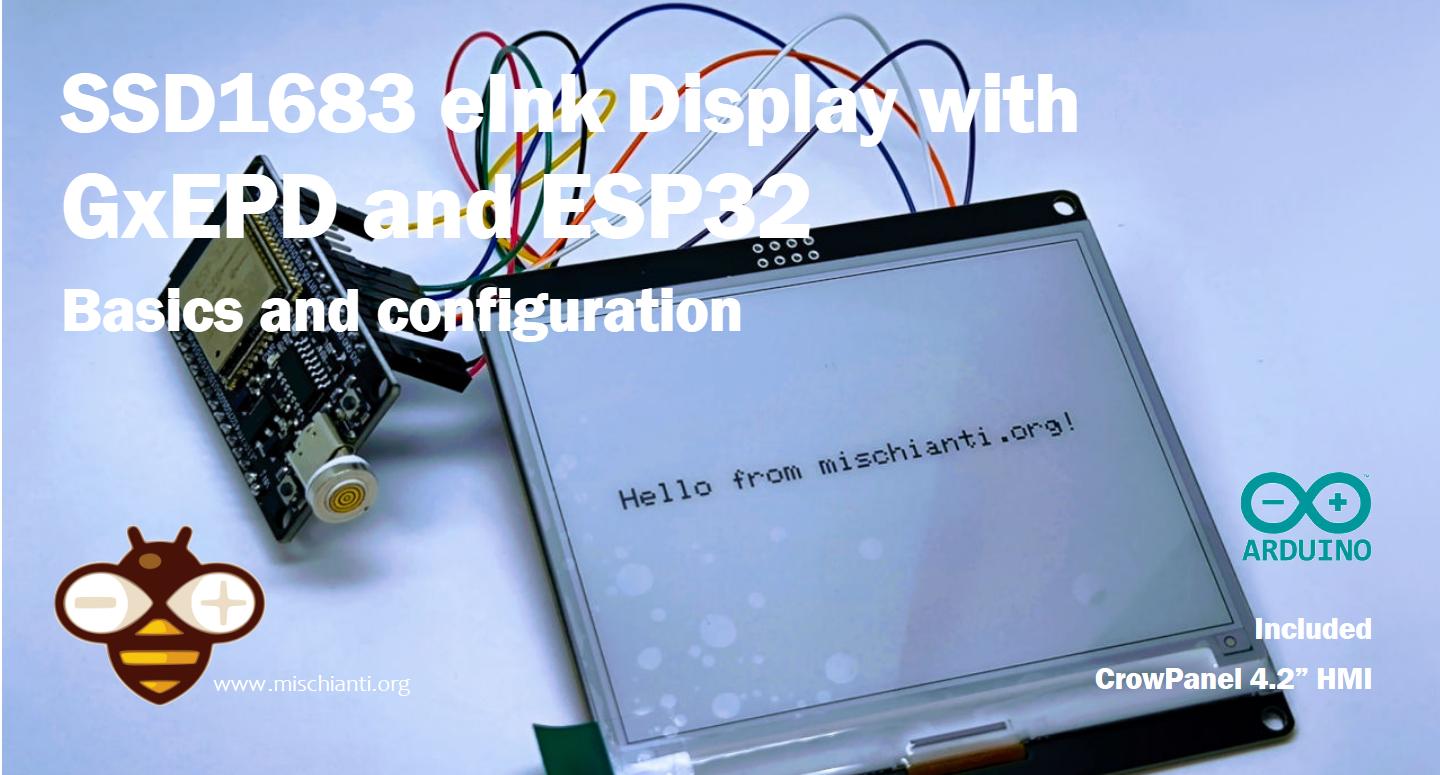
ePaper displays offer ultra-low power consumption and paper-like readability, perfect for battery-powered and outdoor devices. The SSD1683 controller handles timing, waveforms, and pixel updates for crisp, ghost-free images. Learn how to connect an SSD1683 panel to an ESP32 with GxEPD, configure SPI, set display parameters, and perform full or partial updates on a CrowPanel 4.2″ HMI also.
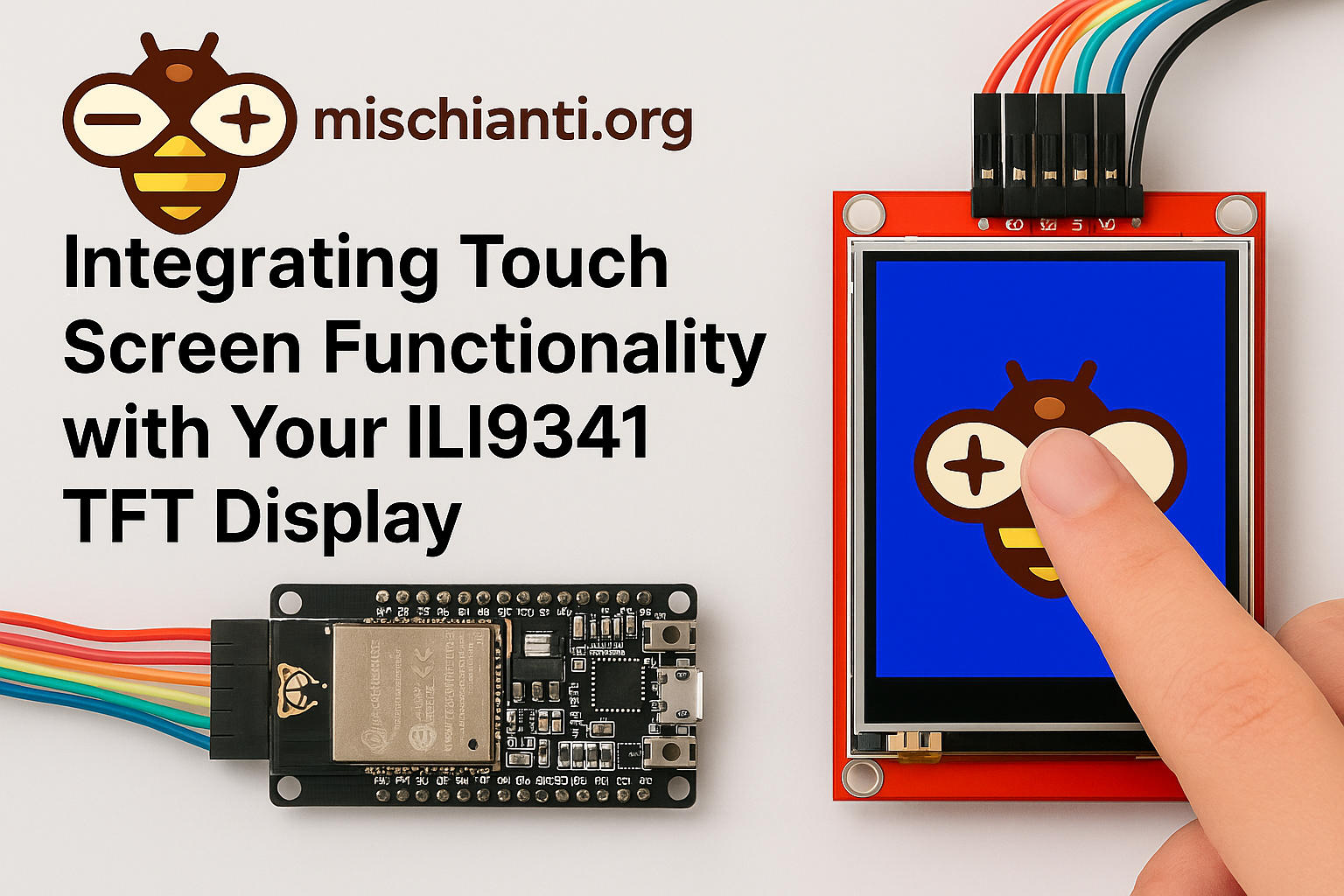
Building on our ILI9341 and TFT_eSPI setup, this article adds touchscreen support to create interactive interfaces. With touch input, you can enhance your ESP32 projects with buttons, keypads, and controls for a more dynamic user experience.
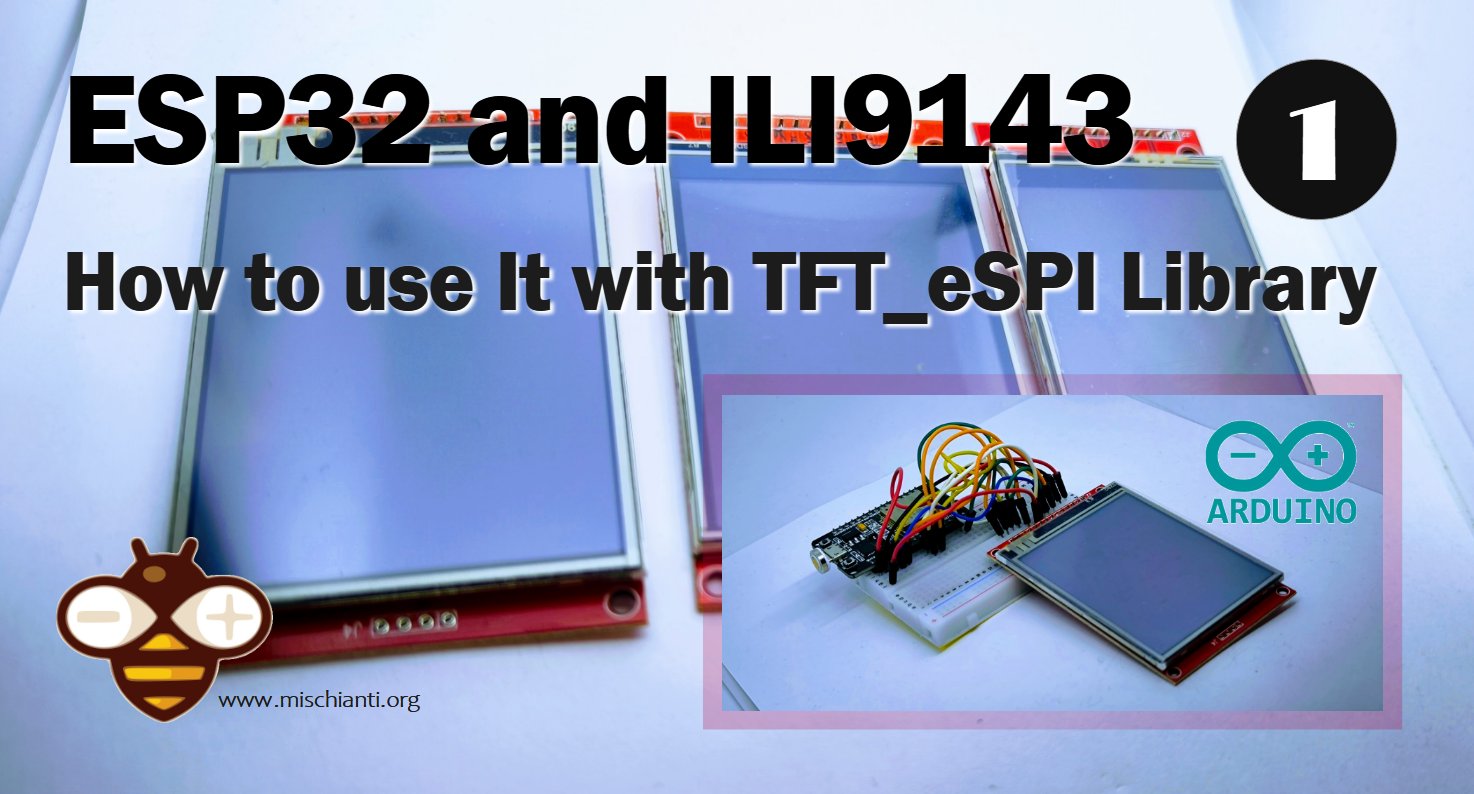
This comprehensive guide explains how to use an ILI9341 TFT display with the optimized TFT_eSPI library on ESP32 and similar boards. It covers wiring, library installation, configuration, and provides detailed code examples for drawing shapes, text, images, animations, and troubleshooting. It also outlines next steps, including touchscreen integration and advanced display features. Learn to customize your projects.
Introducing my new MultiFTPServer library, a lean, drop-in successor to SimpleFTPServer that finally delivers true multi-session FTP to the hobby boards and industrial MCUs you love.
I love the I2C protocol, when I need a sensor, every time, I try to find one with this protocol, I have also written some libraries for various sensors that use I2C.
In this article we are going to take a look on ESP32 I2C features and check some problem.
This article discusses how to use pull-up P-MOSFET gate and alarms with the Dallas DS18B20 temperature sensor and the ESP32 microcontroller. The pull-up P-MOSFET gate can be used to improve the reliability and accuracy of temperature measurements, while the alarms can be used to trigger actions based on temperature thresholds. The article provides step-by-step instructions on how to implement these features in a project using the DS18B20 sensor and the ESP32 microcontroller.
This article will explore how to use the OneWire protocol with ESP32 or esp8266 to communicate with multiple Dallas DS18B20 temperature sensors and how to interface them with an ESP32 board. We will also cover how to deal with issues that may arise when working with long OneWire lines and multiple devices.
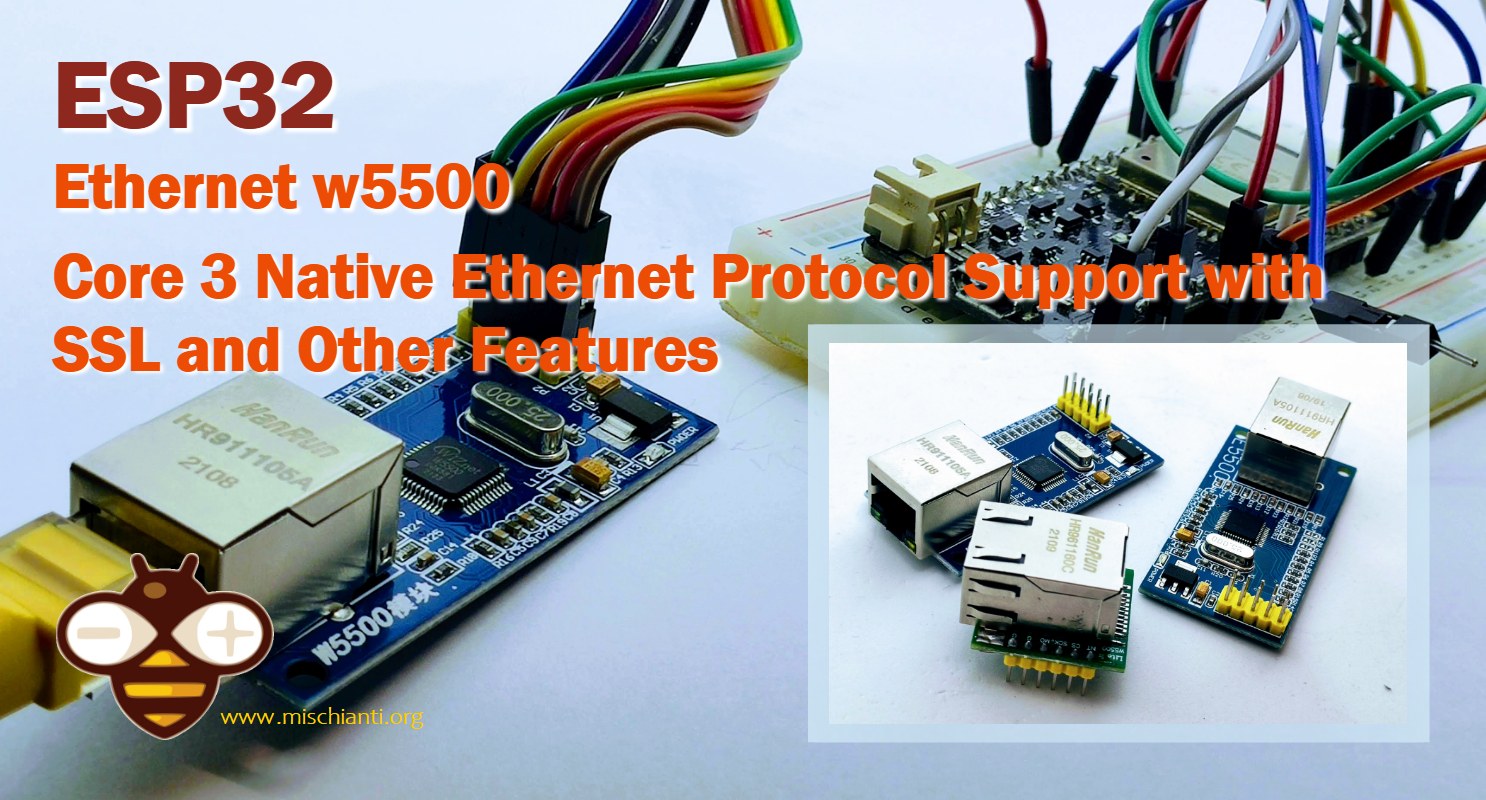
Integrating W5500 with ESP32 using Core 3 enhances reliability and speed with native Ethernet and SSL/TLS support. Benefits include secure connections and reduced CPU load. Setup involves SPI wiring and configuration.
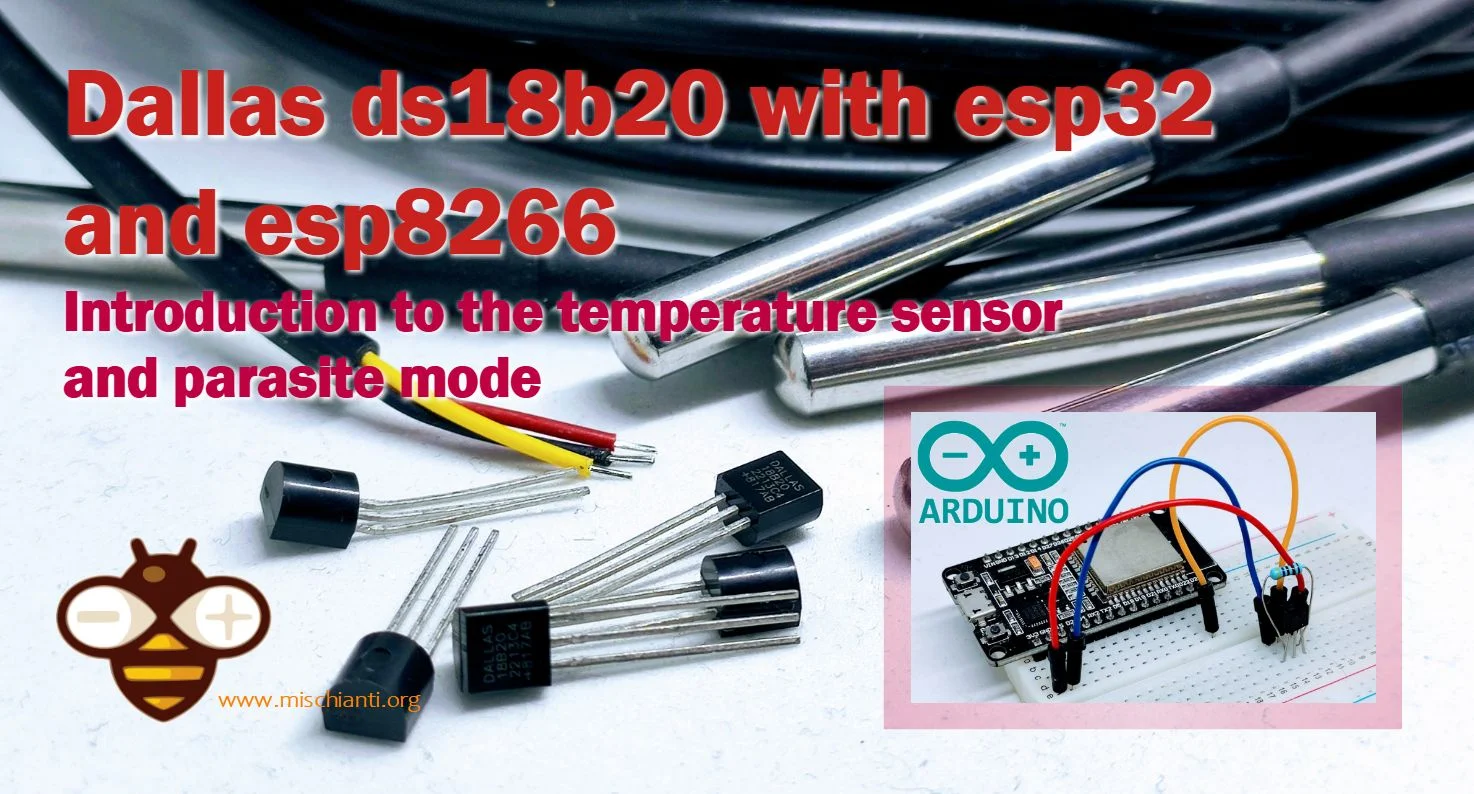
This article discusses how to interface the DS18B20 temperature sensor with an ESP32 or esp8266 microcontroller using the 1-Wire protocol, and explores the different modes of operation of the DS18B20, including the parasite mode. The tutorial provides step-by-step instructions on connecting the sensor, configuring the communication protocol, and reading temperature data.